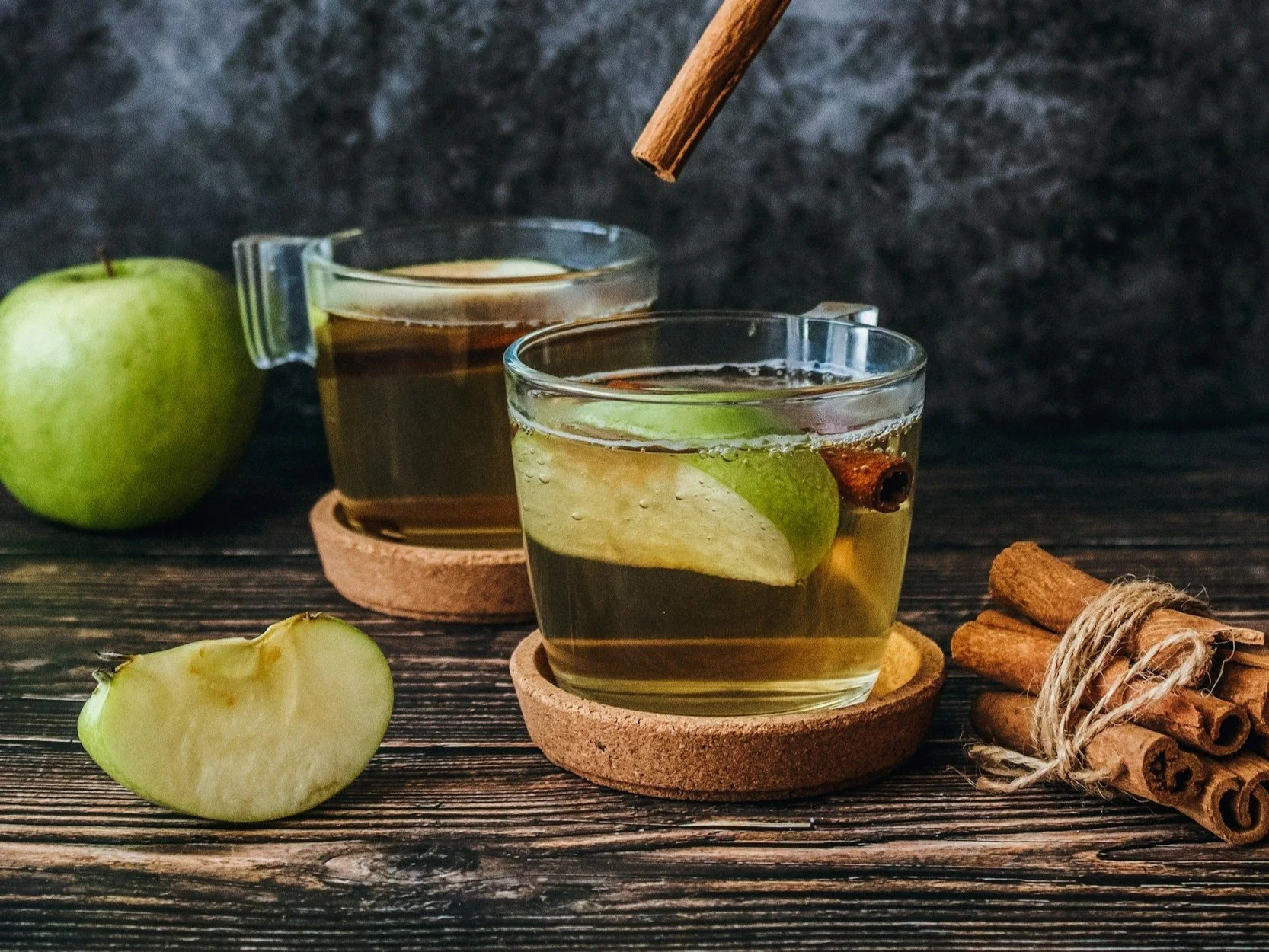
Apple Orchards
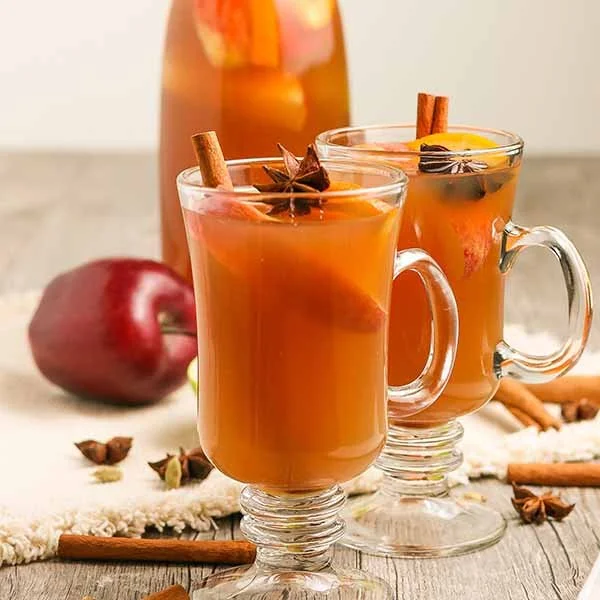
a beloved autumn tradition
As the leaves change and the nights cool, your annual orchard pilgrimage drew closer. Even before the apples ripened, you see in your mind’s eye the route, the turnoff, the orchard sign, then the trees. You even remember the sweet checkout lady. Now, you’re headed home. The apples you picked are in the back seat, shiny and fragrant. The window is cracked, fall’s crisp air confirms the moment, and you’re smiling inside and out.
After buying the bushel, you headed to the refreshment stand for some hot cider and warm donuts for the ride. An anxious to please young helper was at your service. Then... hesitation: How to drive, sip, and bite without splashing and spreading crumbs everywhere? And there’s the guilt… just one more bite while they’re still warm!
With Gnosis apple traditions, there’s zero guilt, and we’ll save you the gas, too!

If you’ve ever been apple picking, you know there’s something extra sweet waiting for you at the end of your day! Hauling the bushels you’ve collected towards the cashier, you smell hot cider, and freshly baked cider donuts! Enjoy that buttery, cinnamony sweetness in this seasonal bar, but without the fried gluten, sugar, and butter. To our caramelized vegan white chocolate, we’ve also added adaptogenic medicinals. Indulge your palate AND your health!
If you’ve ever been apple picking, you know there’s something extra sweet waiting for you at the end of your day! Hauling the bushels you’ve collected towards the cashier, you smell hot cider, and freshly baked cider donuts! Enjoy that buttery, cinnamony sweetness in this seasonal bar, but without the fried gluten, sugar, and butter. To our caramelized vegan white chocolate, we’ve also added adaptogenic medicinals. Indulge your palate AND your health!
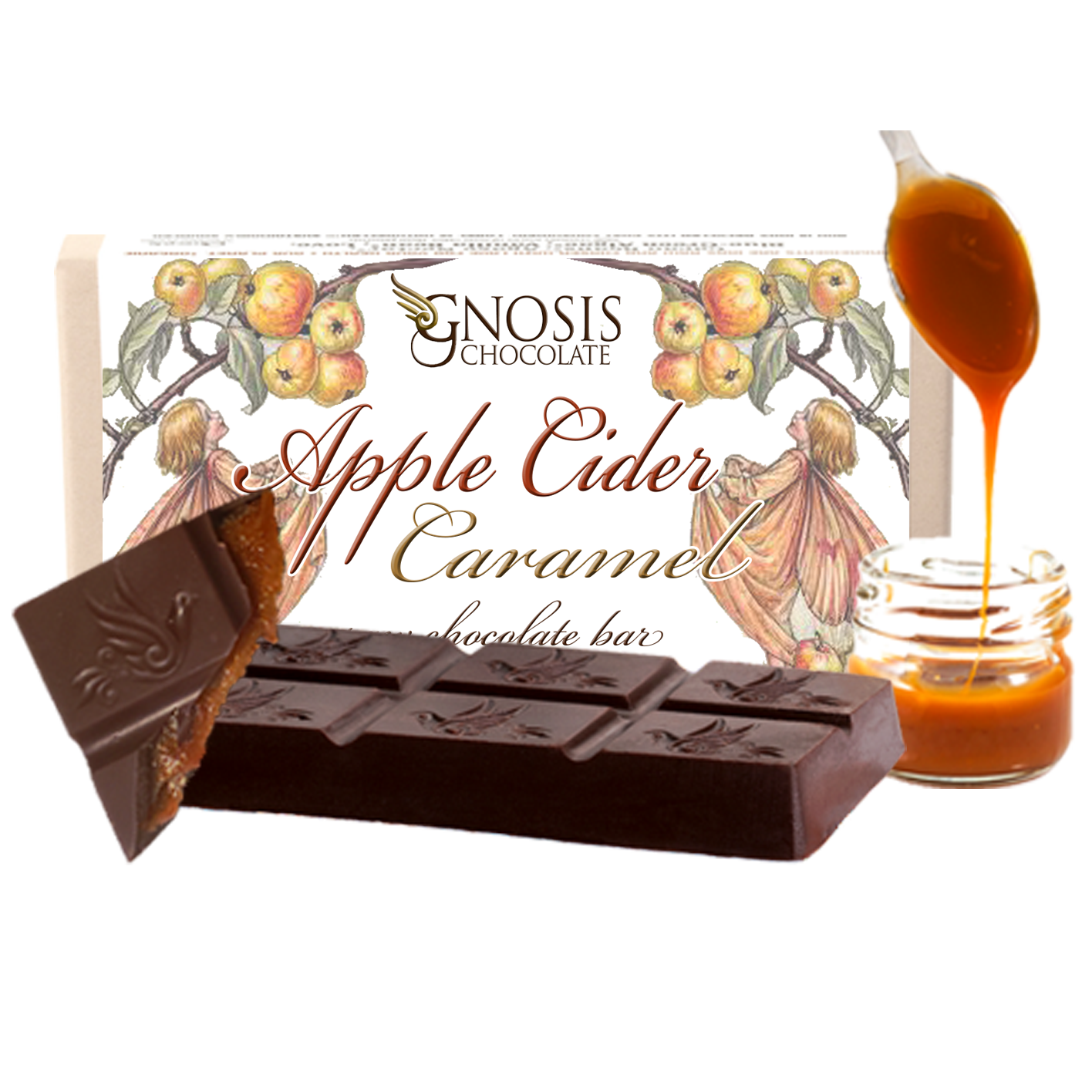
Apple picking, warming cider, trees beginning to turn, the faint smell of falling leaves through the petrichor… Gnosis’ Apple Cider Caramel Bar now re-connects us with the flavors of own childhood - both real and imagined. Apple and caramel are smoothed into a layer surrounded by bushels of Gnosis’ sumptuous chocolate. With warming cinnamon, chaga mushroom, pau d’arco, cat’s claw, and other herbs, this bar is the perfect marriage of truffle and bar, flavor and function.
Apple picking, warming cider, trees beginning to turn, the faint smell of falling leaves through the petrichor… Gnosis’ Apple Cider Caramel Bar now re-connects us with the flavors of own childhood - both real and imagined. Apple and caramel are smoothed into a layer surrounded by bushels of Gnosis’ sumptuous chocolate. With warming cinnamon, chaga mushroom, pau d’arco, cat’s claw, and other herbs, this bar is the perfect marriage of truffle and bar, flavor and function.

Apple picking, warming cider, trees beginning to turn, the faint smell of falling leaves through the petrichor… Gnosis’ Apple Cider Caramel now re-connects us with the flavors of own childhood - both real and imagined. With warming cinnamon, chaga mushroom, pau d’arco, cat’s claw, and other botanicals, this is the perfect spread for a hygge moment! A great ice cream topping, smoothie addition, in hot water for instant immune-boosting apple cider elixir, mix into your baking… this is concentrated so a teaspoon goes a long way!

Ingredient Feature: CEYLON CINNAMON
Ceylon cinnamon, often referred to as "true cinnamon," is considered the purest form of the spice, prized for its delicate, sweet flavor and low coumarin content, making it the safer and more healthful option for regular use. Cassia cinnamon, on the other hand, is sometimes seen as the "fake" or lesser variety. While it shares the warm, spicy characteristics of Ceylon, it has a much stronger, harsher taste and contains significantly higher levels of coumarin, a compound that can be harmful in large amounts. This distinction between "true" and "fake" cinnamon isn't just about flavor; it also highlights the significant health risks and benefits between the two, with Ceylon being preferred for its gentleness and medicinal properties, while Cassia is more common, cheaper, but best consumed sparingly.